

Supporting Wellbeing Through Circadian Lighting
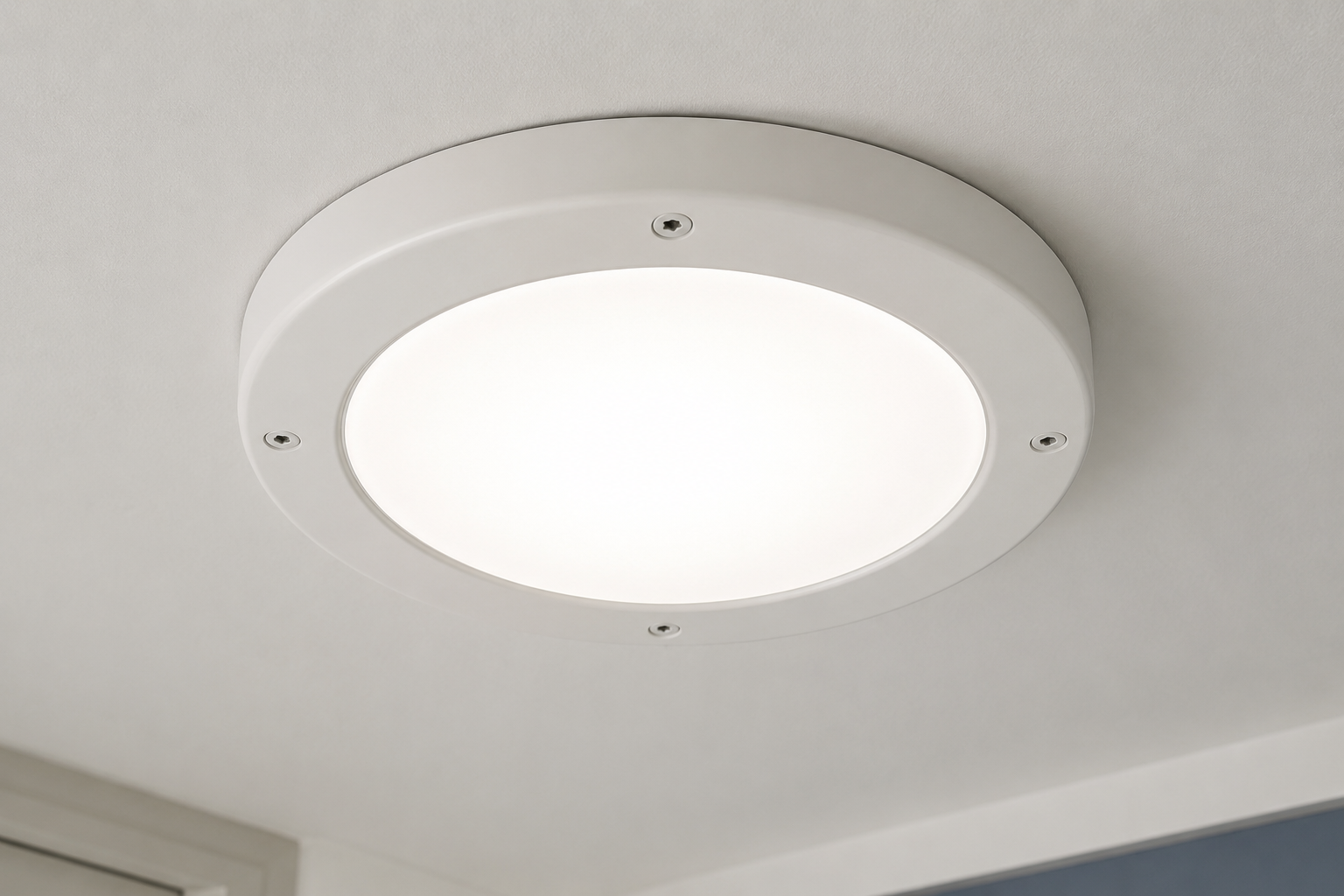
One of the most effective ways to improve the indoor environment is through lighting that supports natural circadian rhythms. Tunable white lighting systems can adjust colour temperature and intensity throughout the day, mimicking the natural progression of daylight. Cooler, brighter light during daytime hours promotes alertness and engagement, while warmer lighting in the evening encourages relaxation and supports healthy sleeping patterns. This is particularly valuable in inpatient mental health settings where patients may have limited opportunities to experience natural daylight. The anti-ligature luminaires utilised in secure healthcare environments enable these benefits to be delivered safely while maintaining a therapeutic atmosphere, such as the ASD Harmony Profile Anti-Ligature luminaire with tunable white functionality used to mimic circadian rhythms. The specification also combines high efficiency of 109lm/W with a robust, vandal-resistant design suitable for healthcare and secure environments.
Creating Therapeutic and Energy-Efficient Spaces
Lighting design must balance visual comfort, safety and sustainability. Harsh glare, poor uniformity and excessive brightness can contribute to stress and discomfort, whereas carefully controlled lighting schemes create calmer and more reassuring environments. Integrating energy-efficient LED technologies helps reduce energy demand without compromising user experience.
By combining high-performance lighting, intelligent controls and occupancy-based operation, healthcare facilities can lower energy consumption while delivering comfortable environments for patients, visitors and staff. This approach supports both the clinical objectives of the facility and wider NHS sustainability targets.
A Whole-Building Approach to Mental Healthcare Design
The benefits of sustainable design extend far beyond lighting. Mental health facilities increasingly incorporate low-carbon technologies, improved building fabric performance, renewable energy systems and advanced environmental controls to create healthier internal environments. Better daylighting, thermal comfort and indoor environmental quality can all contribute to improved patient experiences and staff satisfaction. At the same time, reducing energy consumption helps healthcare providers minimise operational costs and future-proof facilities against evolving carbon reduction requirements.
Delivering Sustainable, Cost-Effective and Recovery-Focused Mental Healthcare Facilities
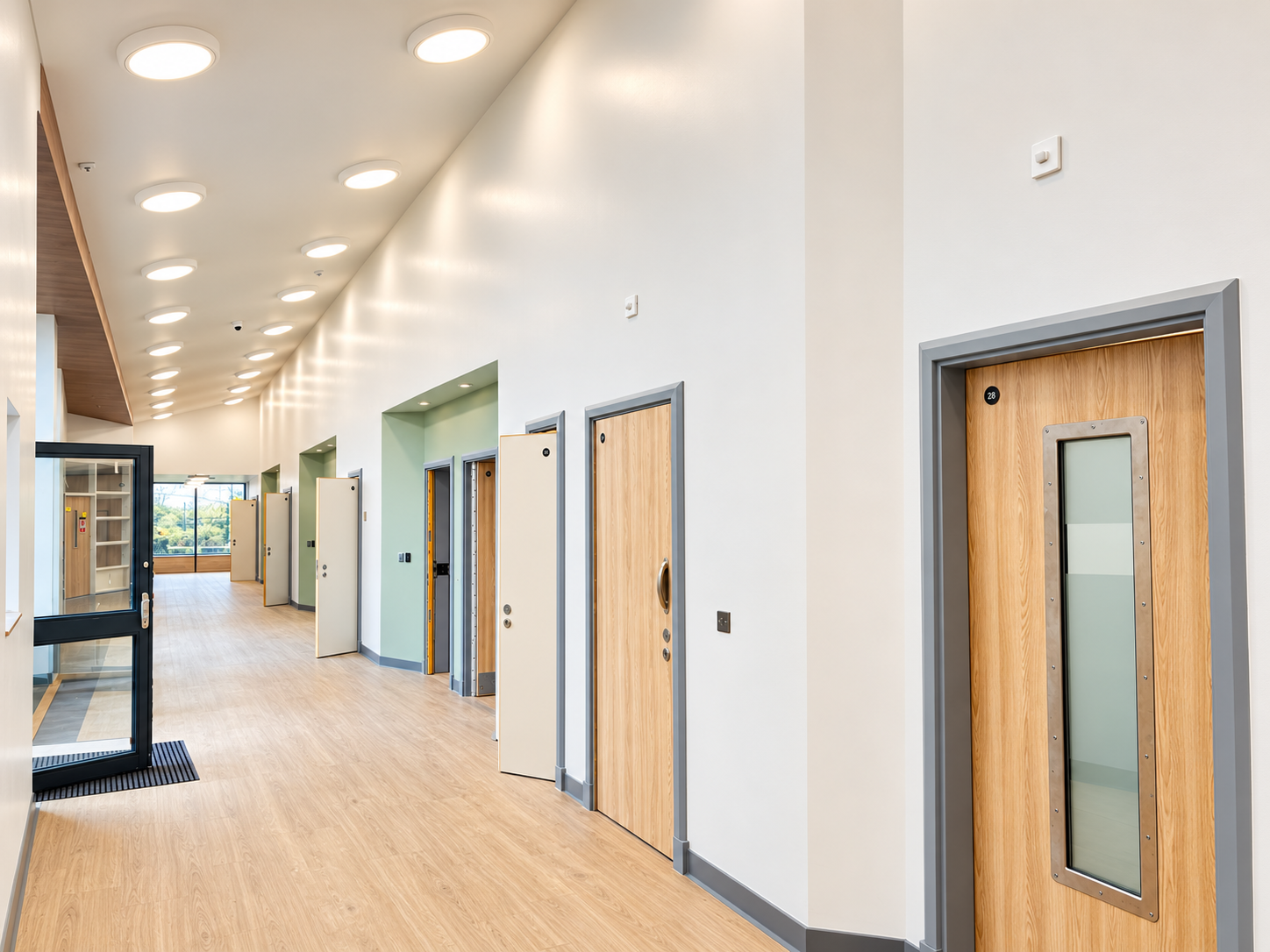
At DSSR, these principles have been implemented on projects including the Acute Mental Health Inpatient Unit at Lincoln County Hospital and the Havenside Boston Norton Lea Adult Acute Inpatient Unit. Havenside was developed through extensive engagement with clinicians, carers, patients and Experts by Experience to create an environment that promotes dignity, independence and wellbeing while supporting the Trust’s wider transformation of mental healthcare services.
The facility demonstrates how therapeutic design and sustainability can work hand in hand. Tunable white lighting supports patient wellbeing through circadian rhythm control, helping create environments that feel more connected to natural daylight cycles. At the same time, the wider building services strategy has been designed to achieve EPC A and BREEAM Excellent standards, with forecast operational carbon reductions of approximately 61.5 tonnes of CO₂ annually. The incorporation of high-efficiency systems is expected to generate around 155MWh of annual energy savings, while roof-mounted solar PV provides a further 50.6MWh of renewable electricity generation each year.
Beyond the environmental benefits, these measures help reduce long-term operational energy demand and associated utility costs, improving whole-life value for the Trust and supporting NHS Net Zero ambitions. By lowering the cost of running the facility, healthcare providers can focus greater resources on frontline services while delivering higher-quality environments for patients, staff and visitors. This demonstrates how intelligent lighting design and sustainable engineering can create mental health facilities that not only support recovery and wellbeing but also provide lasting financial and environmental benefits.
If you want to learn more on how our lighting design specialists deliver solutions that enhance wellbeing, improve sustainability and reduce operational costs, click the link below:



Designing for People, Not Just Buildings
Mental health facilities require a different approach to building services design. Every element of the environment can influence patient experience, recovery outcomes and staff wellbeing, with lighting playing a particularly important role. For individuals spending extended periods indoors, access to a healthy and responsive environment is essential.
By integrating intelligent lighting design alongside sustainable engineering solutions, modern mental health facilities can create spaces that feel calmer, safer and more connected to the natural world while reducing operational costs and environmental impact.